Texts and photographs

Words Within

Memories and emotions, in a few words through the image.

Vanitas Vanitatum et omnia Vanitas

Death is a debt that every man can pay but once.
(William Shakespeare, Antony and Cleopatra)
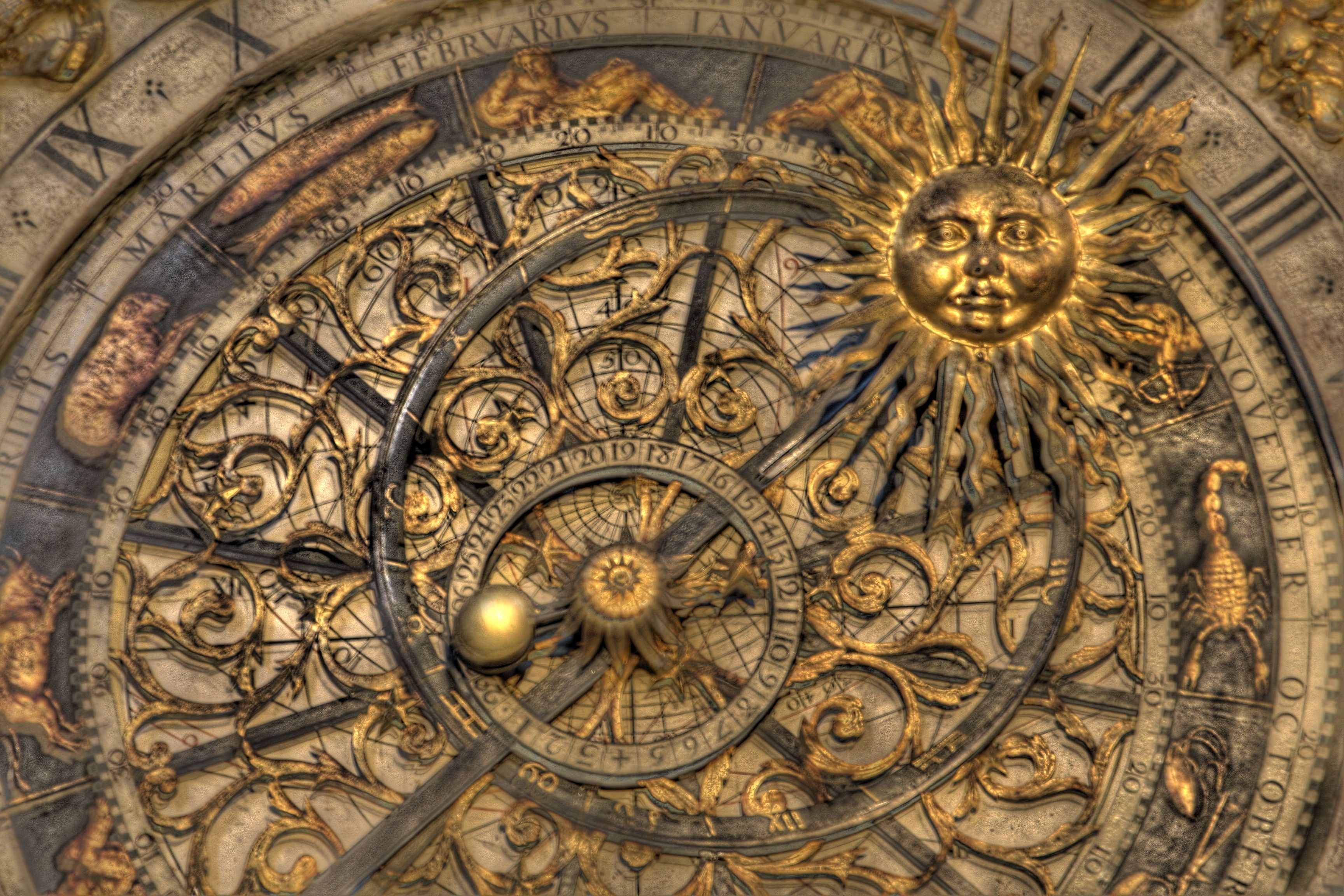
Astronomical clock of Saint-Jean Cathedral in Lyon

This quotation from Shakespeare sounds like an irrefutable sentence. Death is an inescapable debt that every man must pay. Its accomplice, Time, is the vitriol that gnaws at and dissolves our lives, then our memory.
Osiris, Hela, Hades or Thanatos... Elysium, Valhalla, Hell or Paradise... in every age and every place, civilisations seek to ward off their greatest fear - the one constant among mankind - through tales and legends, mythologies or cosmogonies.
But every dogma and every quest for spirituality will remain no more than a flickering light before the black mantle of Death. The depth and darkness of Lethe will forever remain unfathomable.

1785. Parisian cemeteries are desperately short of space. Mass graves collapse, and the smell of decomposition rises into nearby buildings. The Cemetery of the Innocents is emptied first; other sites will follow for almost a century.
The remains of 6,000,000 people are cast into disused quarries. In one final tribute, they are piled according to their place of origin, and the finest tombs accompany them to their final resting place.
Who remembers these men and women, their lives, their stories? Who will remember us?
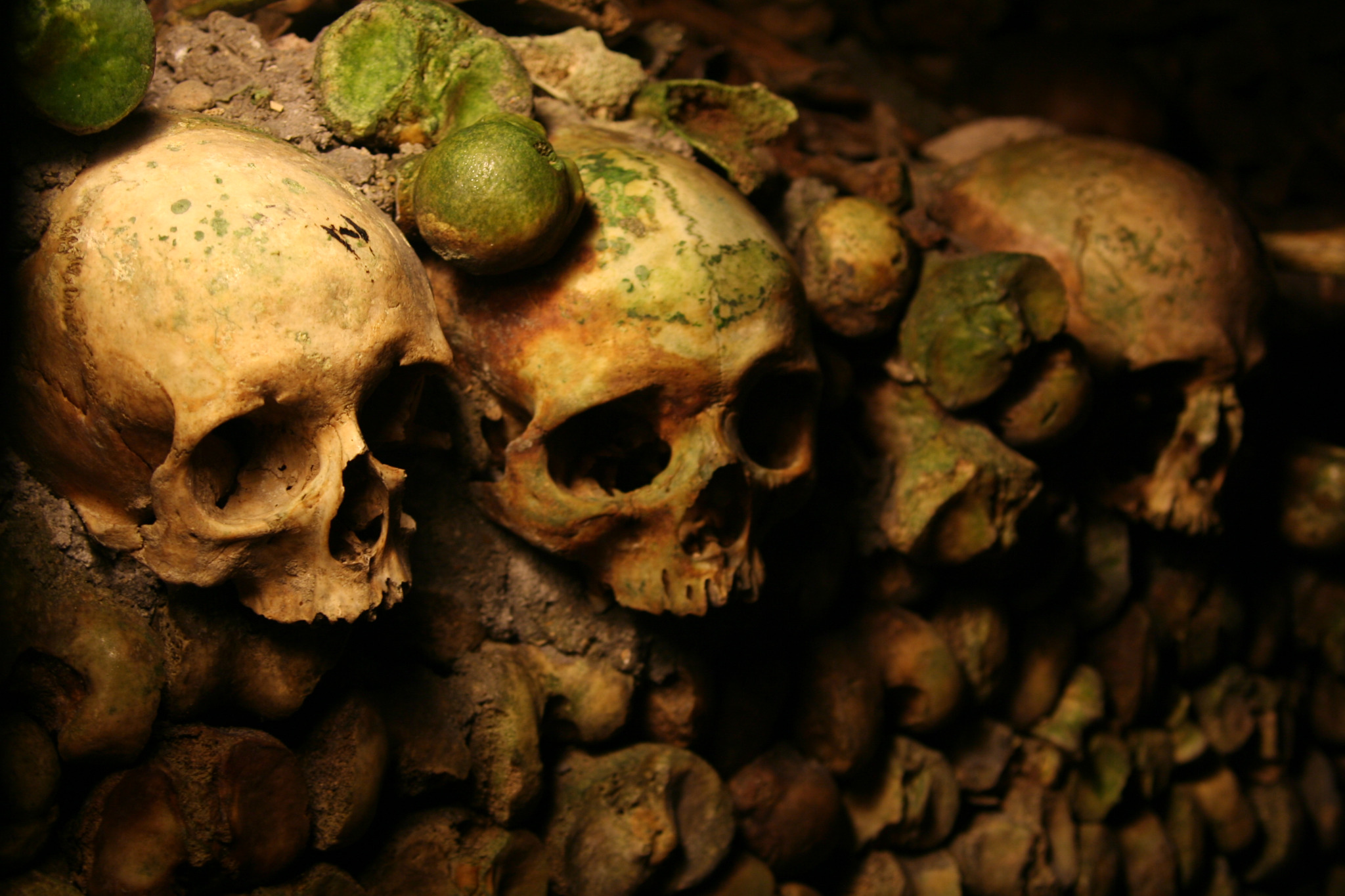
I. The Time of Man.
“We are like butterflies who flutter for a day and think it's forever.” (Carl Sagan, Cosmos)
The decades through which we pass may seem immense to us, but on the scale of the Universe, a human life is no more than the beat of a butterfly's wing.
With a little distance and perspective, we realise that everything is vain, fleeting, insubstantial: wealth, ambition, pleasure and glory are all destined to disappear. Everything we believe to be permanent is so only in relation to the brevity of our own existence.
“Vanity of vanities, all is vanity. What profit hath a man of all his labour which he taketh under the sun?” (Ecclesiastes 1:2-3).

II. The Time of Memory.
It is scarcely longer than the Time of Man. After a few generations, personal memory already begins to fade. I know my parents and a few family stories they have told me. Then come photographs whose faces lose their names, letters and words whose context will eventually be lost, then names in registers, strangers to whom only blood still binds us. Someone who was once the centre of their own universe becomes a faded line in an archive.
The individual first passes from life into decomposing matter, then from memory into oblivion.
“For dust thou art, and unto dust shalt thou return.” (Genesis 3:19)

III. The Time of Civilisations.
From carved stone to spires of glass and steel, civilisations have marked their respective ages, leaving traces of varying legibility. For the memory of civilisations also fades and disappears in turn. Who could recount in detail the history of the peoples who built the Pyramids, the Great Wall or the pre-Columbian temples? How many empires have vanished, leaving no trace other than a few accounts written by the victors? How many legends, secrets and cultures have disappeared?
Names and stories are painted or carved into stone, written on parchments, like so many acts of resistance against the assaults of Time. Some of these testimonies are so ancient or isolated that we sometimes struggle to understand their meaning or their origin.
Civilisations share the same fate as Man. They build monuments, proclaim their victories, yet are destined to disappear.

Even those of which we have preserved a memory have reached us only in fragments. And therein lies the paradox of our age. While the writings of a handful of historians, philosophers and mathematicians help us reconstruct Antiquity, we produce books, photographs, videos and digital publications by the billions. And yet no trace has ever been so fragile. Our society gives itself over to a voracious hyper-ephemerality. What will remain of social networks, hard drives and the cloud in two hundred years, when an inscription carved in stone can survive for millennia?

Our age confuses abundance of information with permanence of memory. Never has Humanity left so many traces, yet never have those traces been so futile and perishable.

In the face of Death and Time, photography is my stone, however humble, laid upon the edifice of human resistance.
Light Painting - Making of

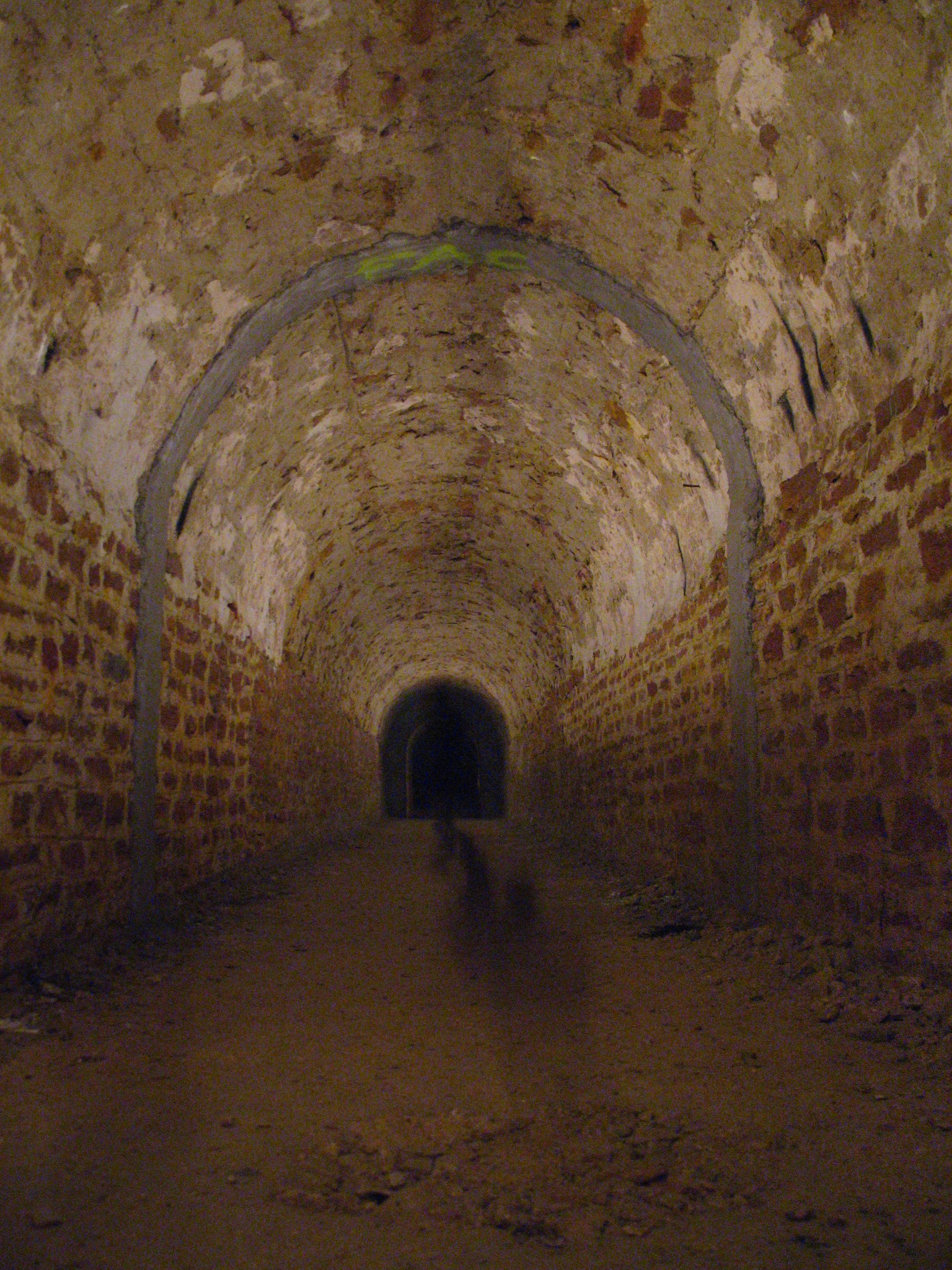
ArĂȘtes de Poisson underground galleries in Lyon

A question I am asked regularly: how do you take photographs underground?

When you are several dozen metres below ground level, no light reaches these galleries. In the past, only candles and oil lamps travelled through them, and more recently the torches or acetylene lamps of cataphiles. But absolute darkness reigns supreme in these places.

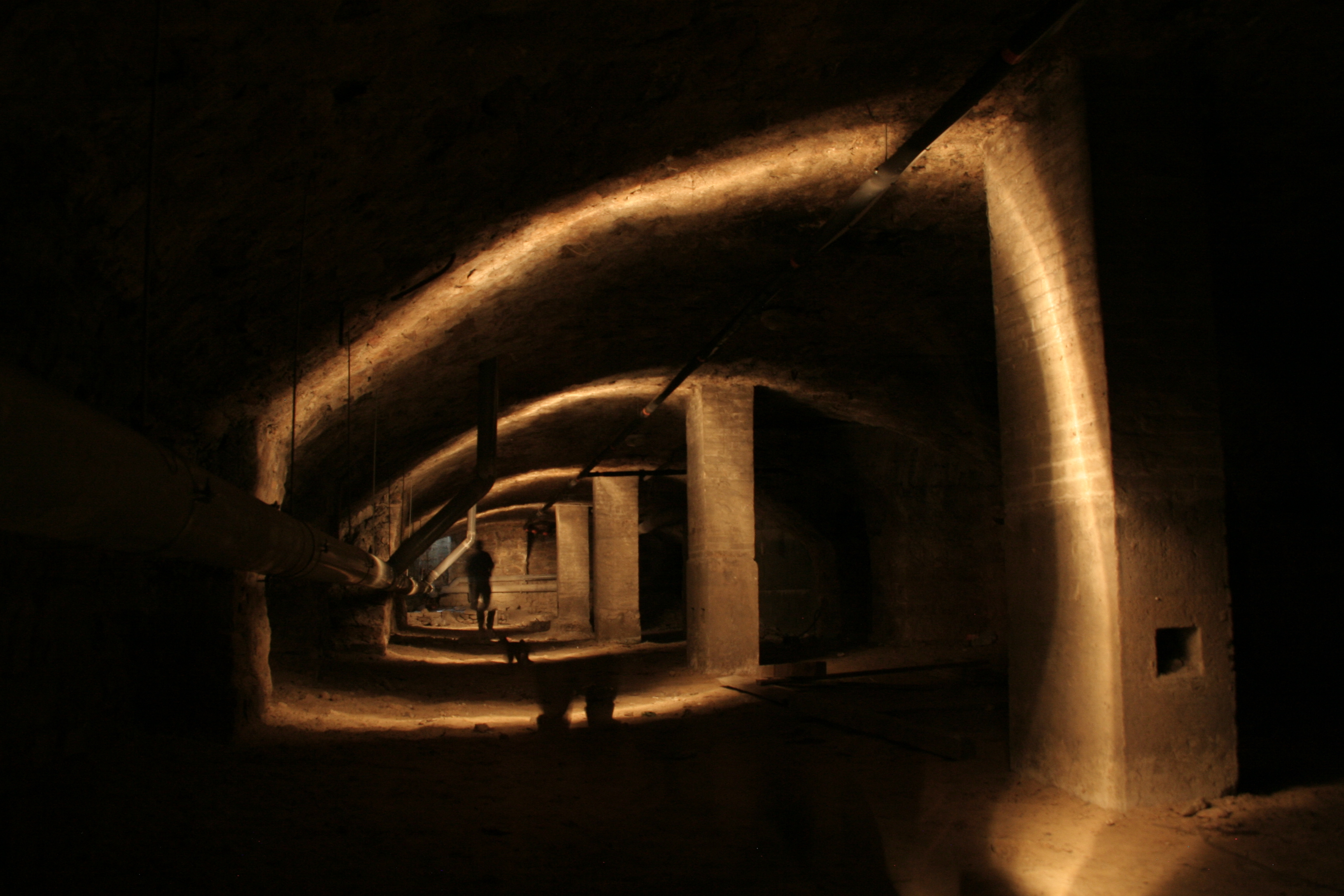
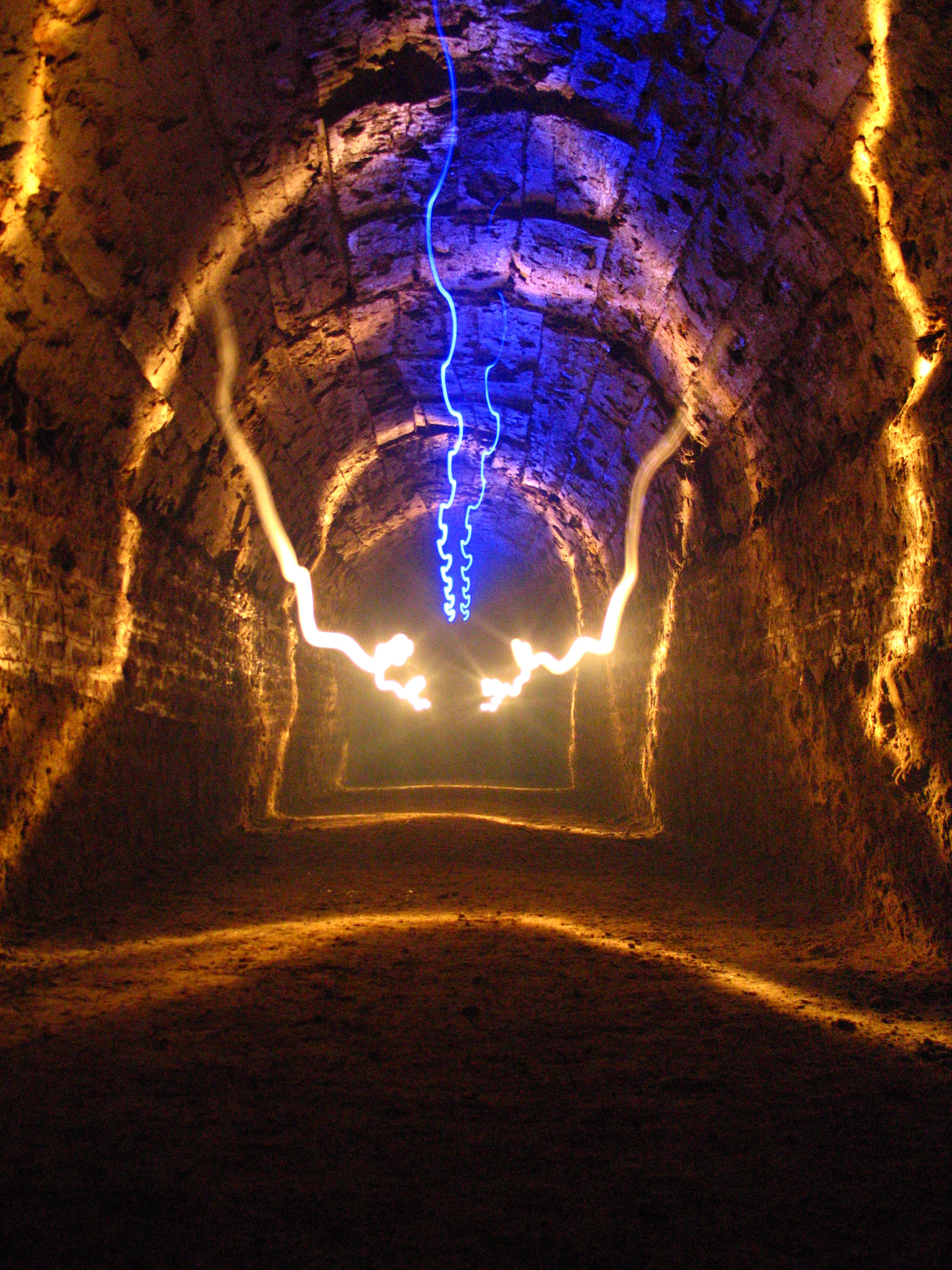
In this perpetual darkness, light becomes tangible, like a malleable substance. Using tricks and accessories, we shape it: direct and cold, diffuse and warm, it becomes a medium with many forms.

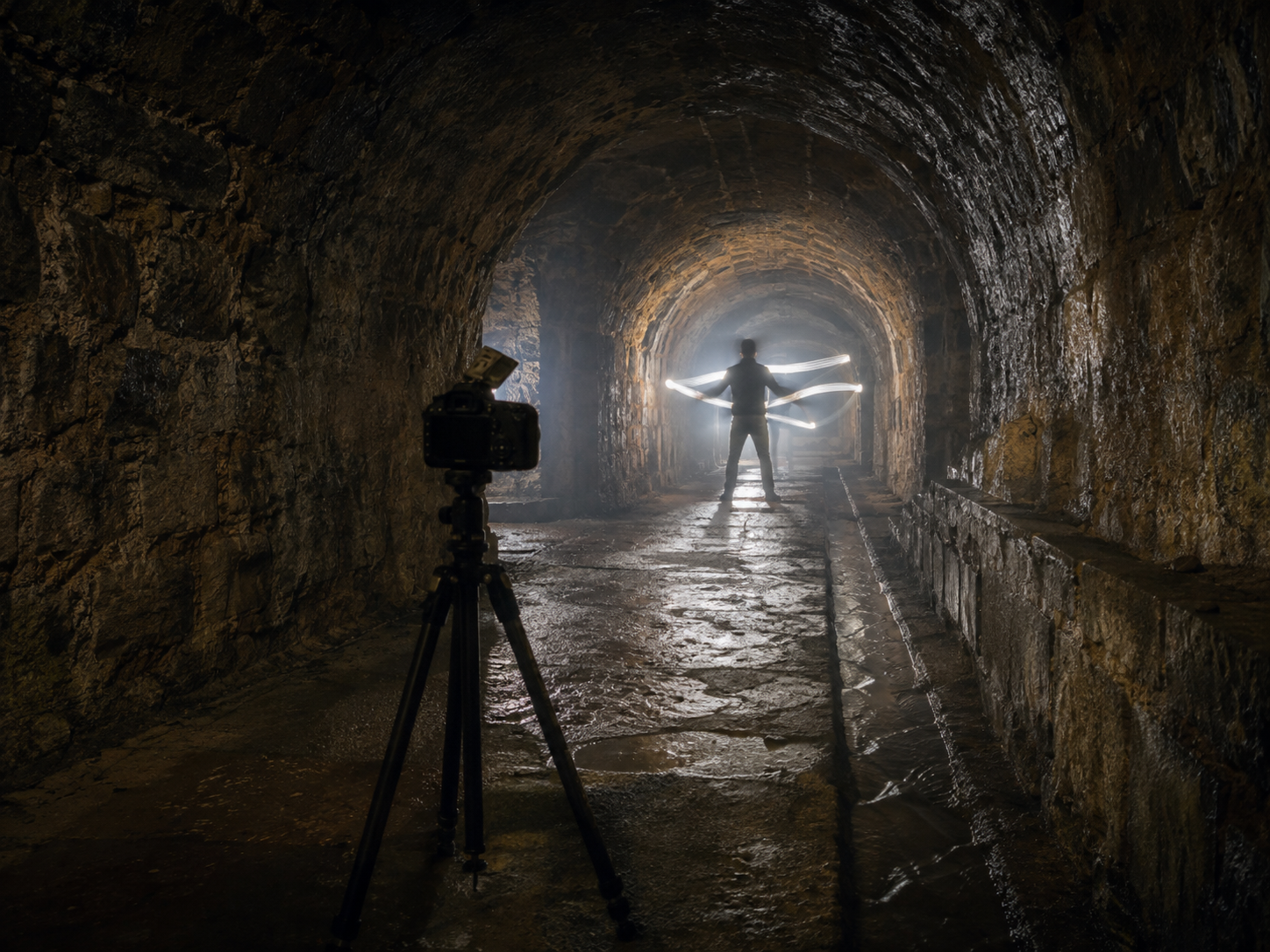
With the camera mounted on a tripod, we control how much light it records. Using a remote release, we can keep the exposure open for as long as we want.

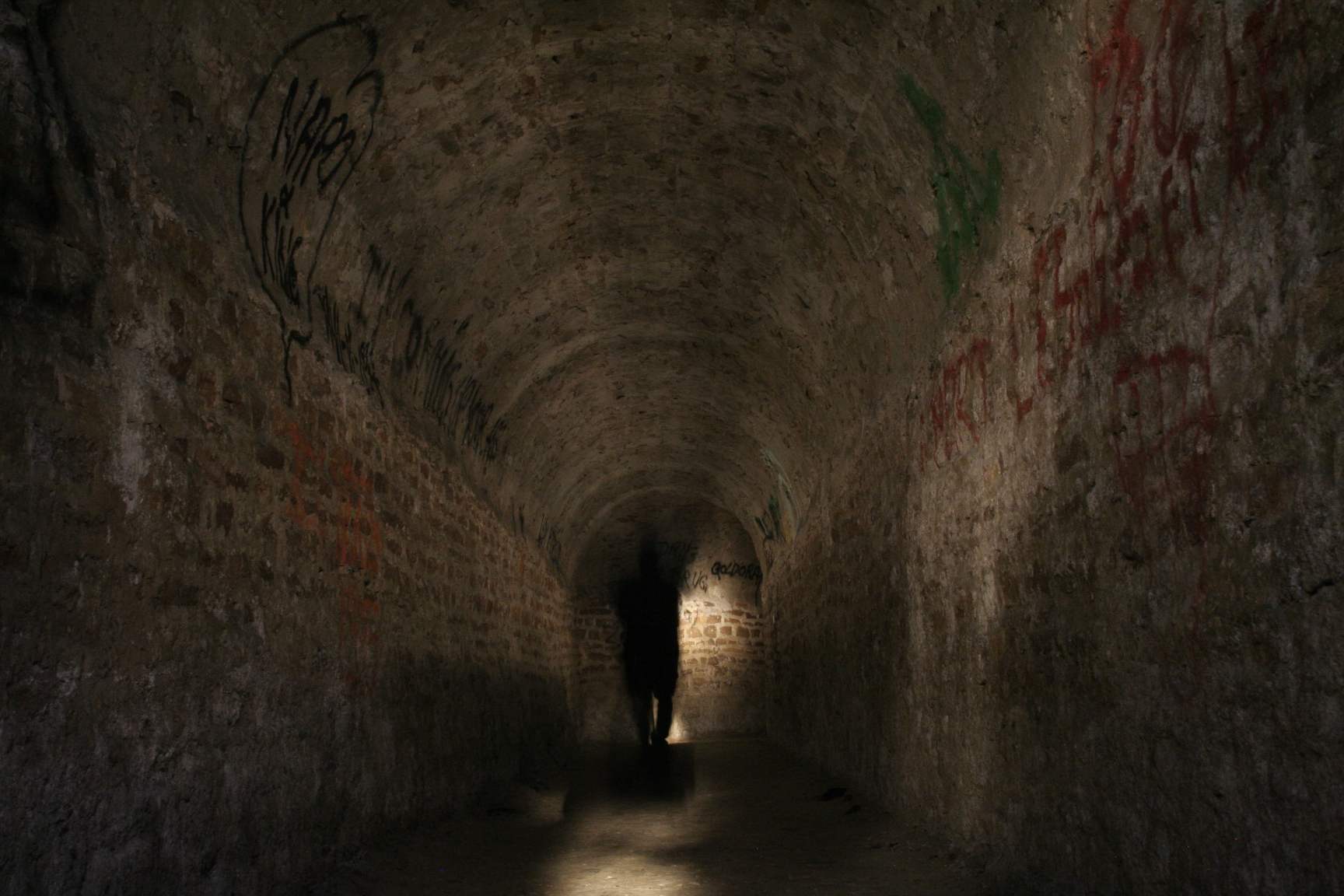
In this second photograph, the same underground network and the same technique were used. They are almost the same photographs... except that my mischievous companion suddenly turned around without warning and started running towards me.

But this photograph, considered a failure when it was processed, perfectly illustrates the light painting process: we start the exposure, then walk in front of the camera, here with a Maglite¼ in each hand. By making small circular movements, we “paint” the surfaces - floor, walls and ceilings - with the torches.

The small blue lights attached to the helmet are only there to see where we put our feet, and remain imperceptible in photographs like the one above.

Light painting in the ArĂȘtes de Poisson underground galleries
AI-generated illustration of an underground light-painting session

AI-generated illustration of a light-painting session going smoothly.

First Descent.

I am halfway down the ladder. Beneath my feet, the void seems bottomless. Above me, a disc of city lights and the sounds of the night. Then the last man slips into the shaft above me. Soon, the heavy steel plate closes with a dull metallic thud. The cover forms an airtight seal that, for the first time, cuts me off from the bustle of the surface.

A few moments earlier, we were all standing in the square, in front of the church. At a bar terrace, on this spring evening in the 2000s, customers were drinking and talking loudly, amused by our urban-caver appearance.

For the first time in my life, a few metres beneath the city, I encounter true silence, absolute darkness. It is a shock. But also a liberation. I cannot explain it to myself at the time, but I feel an enormous weight has lifted from my shoulders. Within this group, I am alone with myself, and responsible for myself. I was warned before going down: if something goes wrong, no rescue is possible.

I can make out people ahead of me in the dark. Most seem to be novices. Impressed, we still speak only in whispers. Some wonder whether they will have the courage to go farther down. Then the “old hands” guiding us take the lead. The safety instructions are repeated. We switch on our lamps and the group begins to move.

ArĂȘtes de Poisson in Lyon's underground galleries, shadows and light

Everyone moves at their own pace. So much so that the group stretches out and thins. I look for the friend who invited me that evening. I cannot find him: he is farther back, gathering up some “tourists” who had got lost.

I continue alone. I enjoy the transition from modern concrete to medieval stone. I let the sound of running water guide me, ever lower, ever deeper, with no one around me. I stop on a staircase, light off, eyes closed.

My meditation is interrupted by the arrival of another visitor. Suddenly, a voice from the depths asks whether anyone is there. Reassured to find another human presence, we call back.

It was a trap.

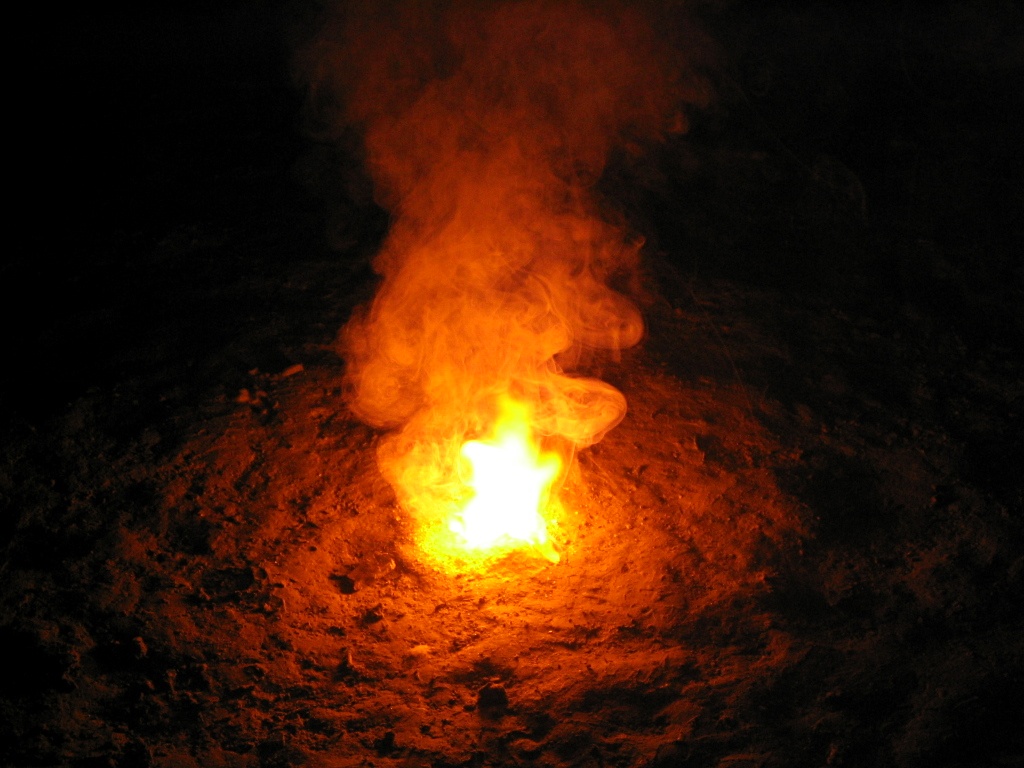
I hear a match strike, then the unmistakable crackle of a homemade smoke bomb. In an instant, the galleries fill with thick white smoke. Impossible to see more than ten centimetres ahead. The two of us take shelter in an alcove. We exchange pseudonyms: tradition calls for anonymity. It was his second descent, my first, the beginning of a long series we would share over the years.

Long minutes pass before the smoke clears. We make our way towards the Gros Caillou, then discover the magnificent sight of the ArĂȘtes de Poisson.

Smoke during a fire performance in a Lyon underground gallery
Underground air-raid shelter in Lyon

Memory of War

A hidden door, dark arches, stairs and corridors, in the half-light.

Down again, ever farther; the steps run beneath the cellars.
The room is wide, vaulted ceilings, and massive pillars.
Against the walls, wooden benches are folded away.
Then other rooms in succession, all alike. The place is vast.

Old remnants litter the floor, so many traces, almost erased, of refugees.
Close our eyes. It is silence.

When sirens and engines tore through the air, death, from the sky, fell like a storm.
The hill no longer cried out when the bombs struck the ground.
In nineteen-forty-and-something, above ground, there was war.

These memories are in the stone: fear, tears and prayers.

Parallels

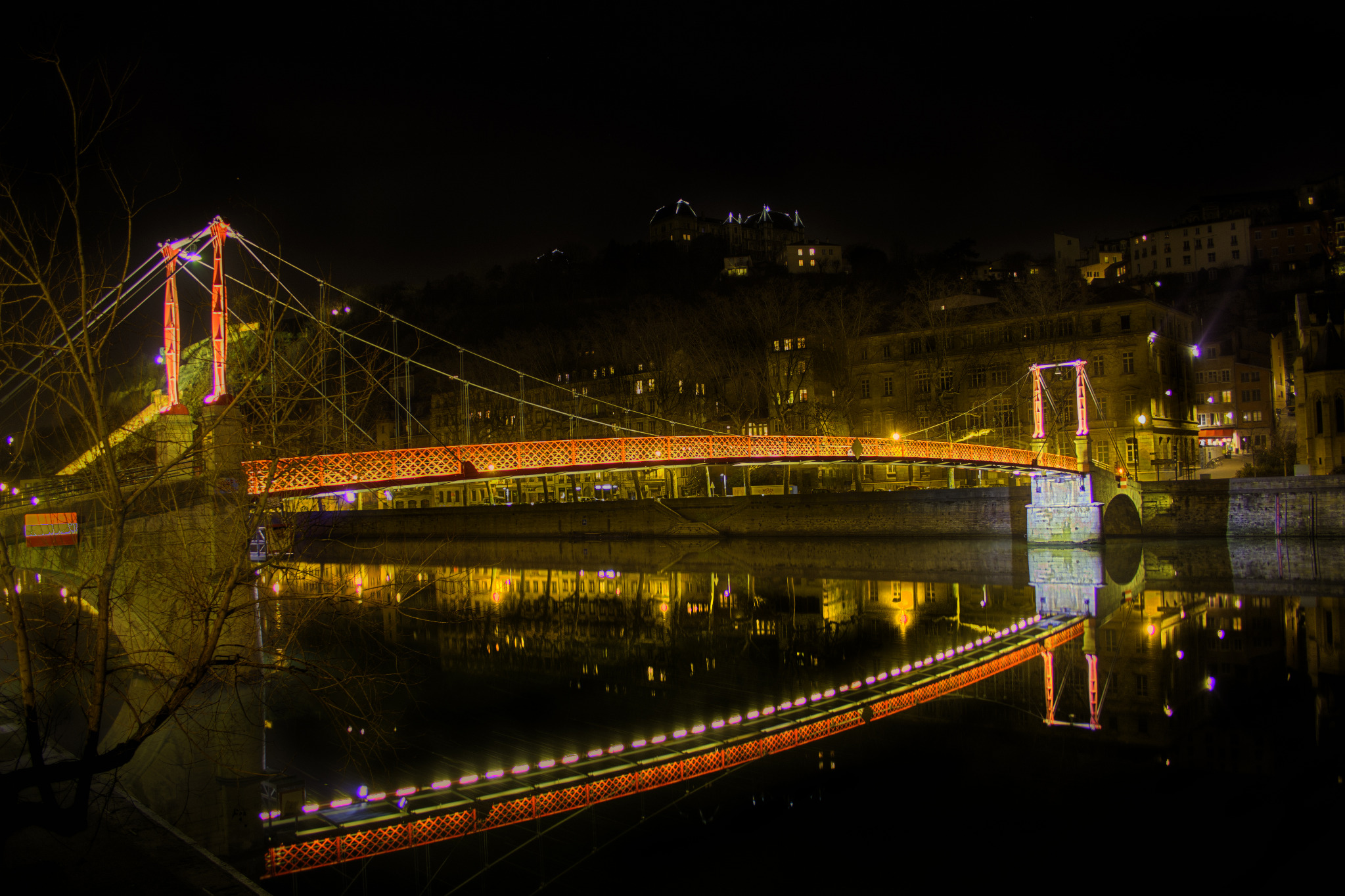
The bridge leads to the church or to the Irish pub, for Mass in Latin or a drink in hand. The SaĂŽne is calm and smooth like a dark, fresh stout. The footbridge links the Monarch to the Romans, modern avenues to cobbled lanes, two antagonistic worlds yet set side by side.

This is the story of Lyon, perched on its hills, the city of lights, shadows and reflections. A glittering city and yet so secretive, opening itself slightly to passers-by, without ever giving itself away.

How many crossings? I could not say.

Tonight, once again, my steps carry me of their own accord towards the gentle comfort of a wood-panelled English pub. Then I will cross the frail footbridge, through the haze of alcohol and the sounds of celebration. When I am no more than a reflection of myself, I will probably have lost my bitter memories.

Mist

Winter morning, it is five o'clock; night still covers Lyon. A freezing season, white and polar - the days are cold like an ice floe - that drags on.

This morning, I walk alone. Boredom has driven me into the street. Daytime life has not resumed; everything is on hold, time frozen. The darkness seems to smother the city's faint lights.

With my eyes closed, I can hear the RhĂŽne flowing.

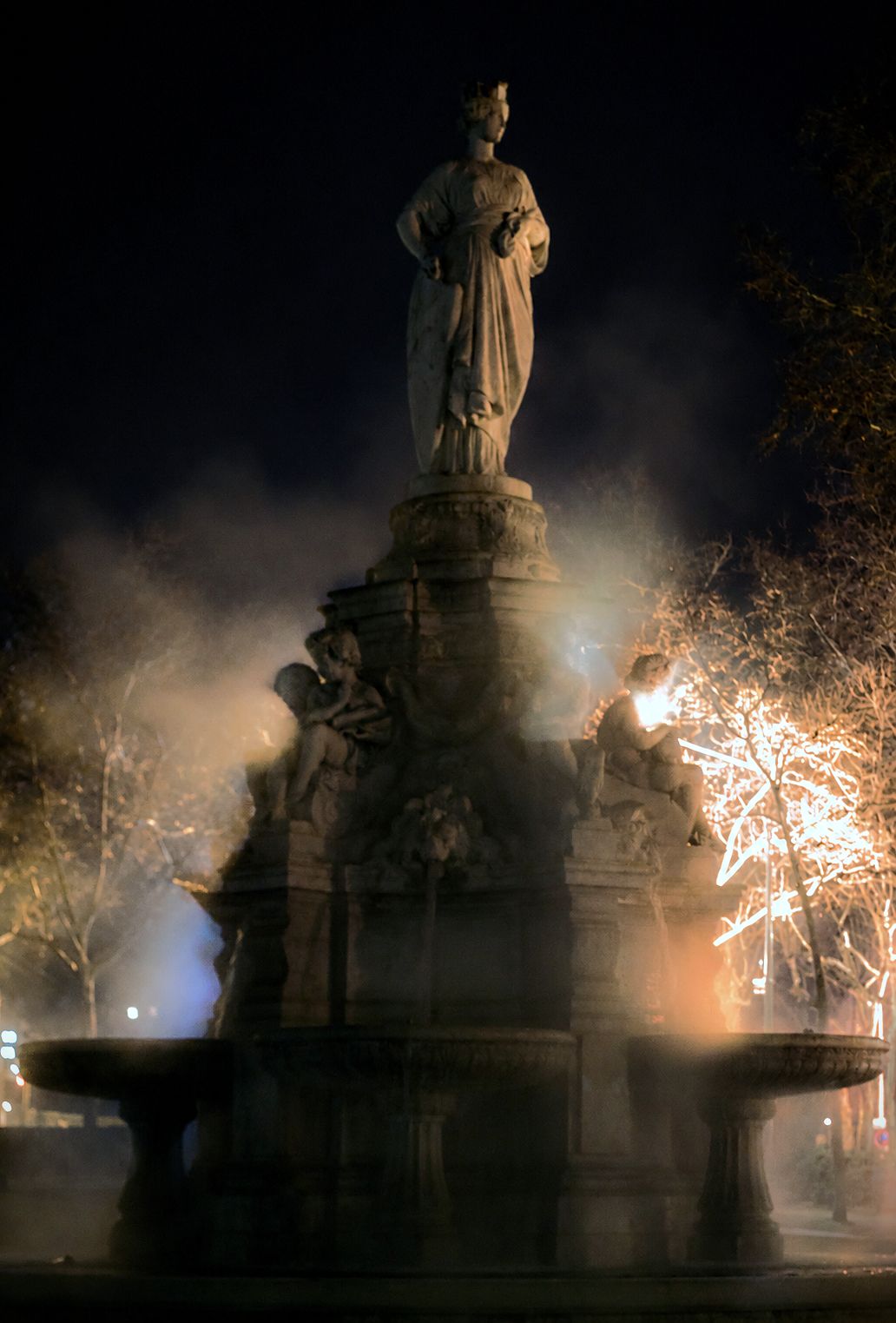
My steps carry me to this square. I have so many memories here. I wander, heavy-hearted, through a white, opaque mist. I think of her, as usual; I think of myself, then I collapse. I lie in the grass; evaporated, my tears dissolve into the mist.

Winter is coming.

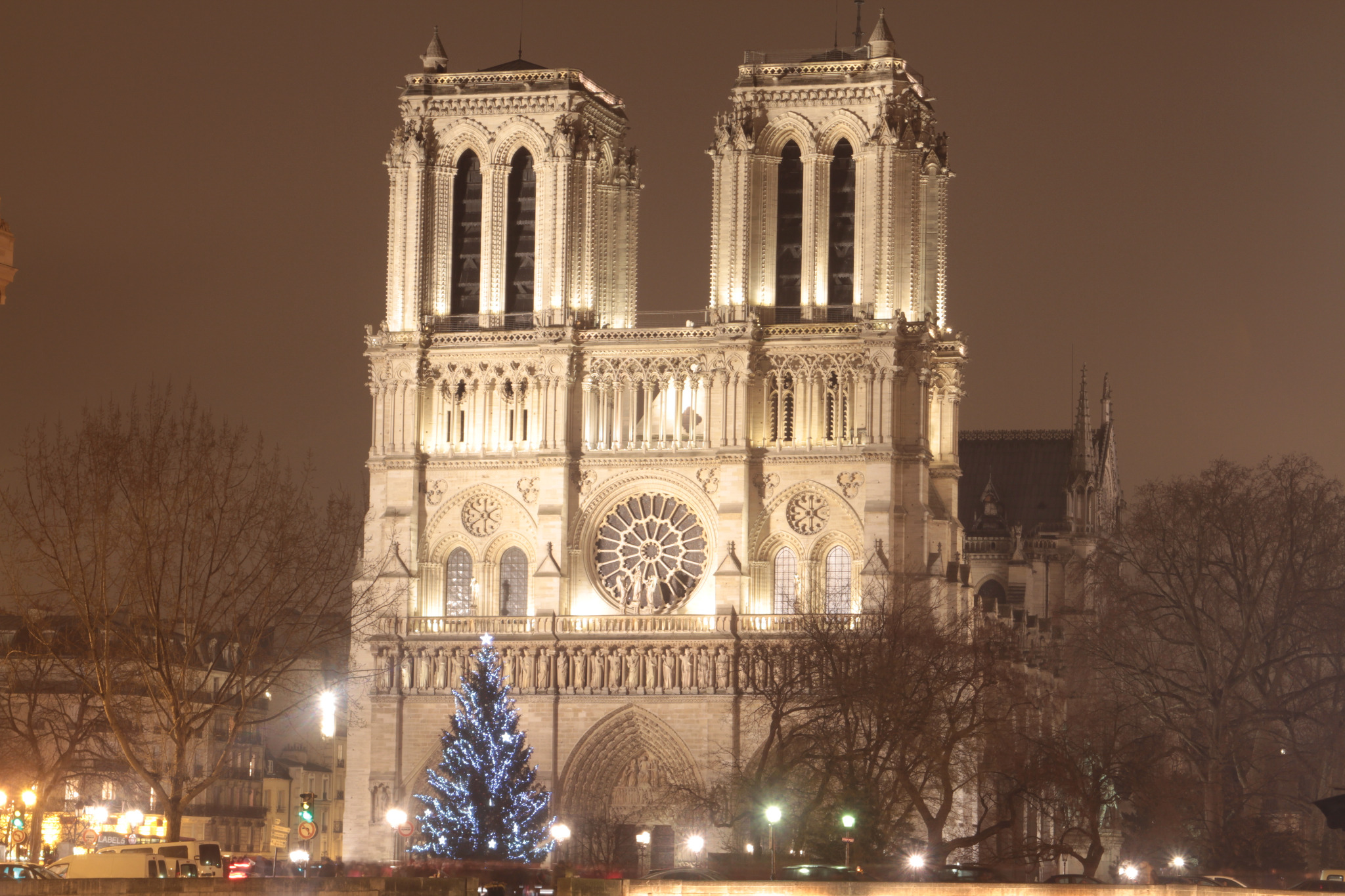
Paris lies beneath the cold; Paris herself is cold.
I could bear her only for the love I had for you.
Your laughter and your warmth, your gaze, your tenderness
Gave me courage and strength through every passing hour.

But Paris has emptied out, and has lost all flavour,
My soul is desolate, my heart is dark and sad.
Paris weighs on me... Hope, you have left my life,
You have abandoned me; I feel so alone here.

I cannot forget all that we shared.
The happiness of those days hurts me today,
Love is like a fruit we bite into, then watch it wither.

I cannot forbid my heart to tremble
At the memory of you. Everything is so empty and cold,
Paris has no meaning now, since you are no longer there.